
Jumat, 31 Mei 2019

What to expect from Apple’s WWDC 2019 keynote next week - Ars Technica

Neon emoji and animoji images accompanied the invites to press.
Enlarge / Neon emoji and animoji images accompanied the invites to press.

Apple's Worldwide Developers Conference (WWDC) starts this Monday, June 3, with a stage presentation by Apple executives at 10am Pacific Time. WWDC is usually one of the two biggest Apple events of the year (the other is the now-recurring iPhone/Apple Watch event in the fall), and it generally focuses on software.

It has become tradition for Apple to introduce new versions of its operating systems to developers at WWDC. Those systems include iOS for iPhone, iPad, and iPod; macOS for Mac; watchOS for Apple Watch; and tvOS for Apple TV and Apple TV 4K. In fact, these are some of the primary purposes of the event. So you can expect to see detailed presentations during Apple's keynote on each of those, plus deeper dives for developers in the various sessions at the convention center, which will also be made available as videos on Apple's developer portal.

To prepare for the event, we're recording what we deem to be the likeliest-to-be-true rumors, reports, and predictions ahead of the show—not just for software, but for hardware too.

Let's dig in.

iOS 13
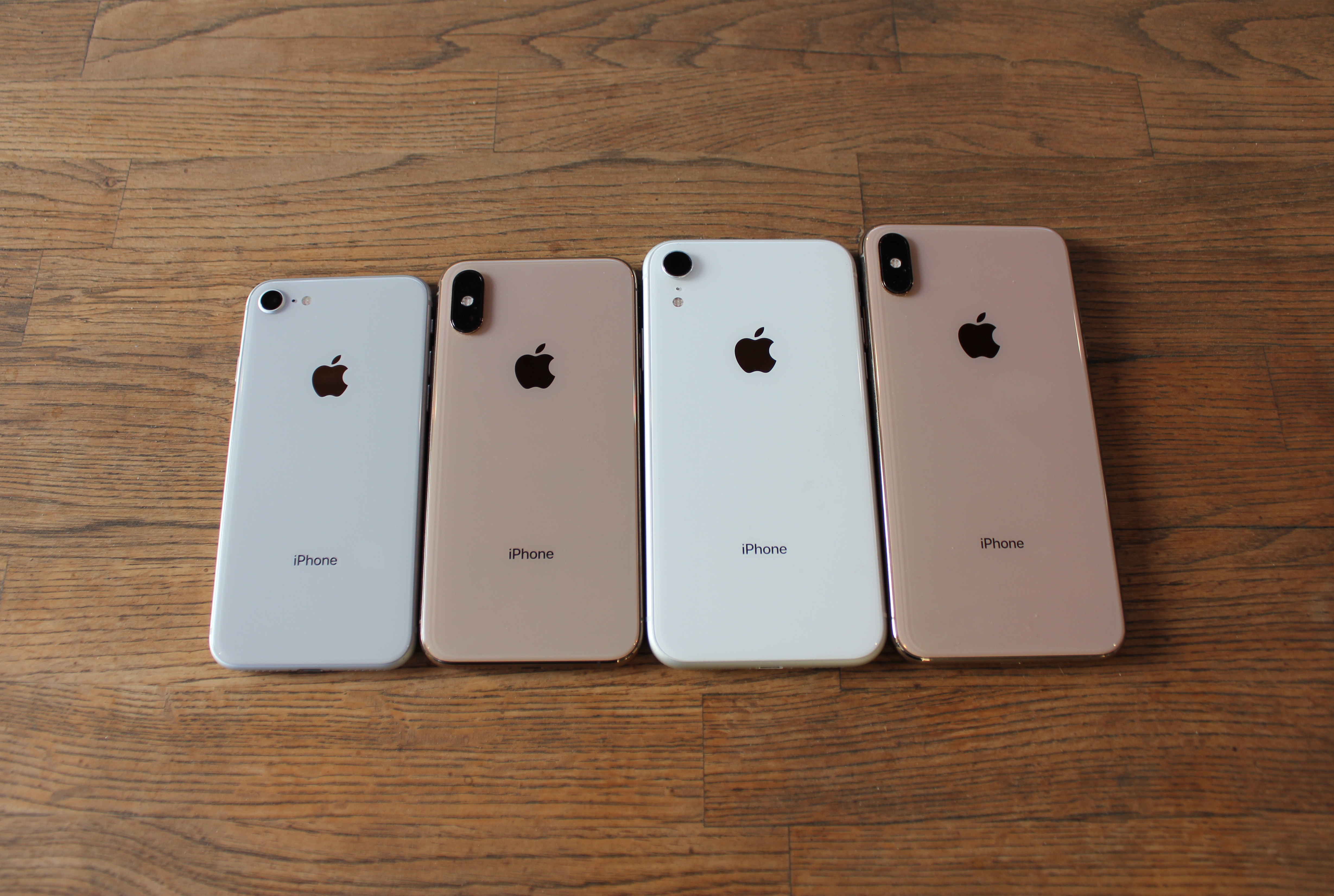
From left to right: the iPhone 8, the iPhone XS, the iPhone XR, and the iPhone XS Max.
Enlarge / From left to right: the iPhone 8, the iPhone XS, the iPhone XR, and the iPhone XS Max.
Samuel Axon
We'll start with iOS. Much of what we know about iOS 13 comes from a recent Bloomberg report, as well as a handful of leaks shared by 9to5Mac in recent weeks. Apple focused iOS 12 on fixing bugs and improving performance on older devices, with the company postponing some features to iOS 13. It's likely iPhone and iPad users will finally see some of the features they didn't get last year, but performance and stability remain a focus.

With those priorities in mind, Apple has, in fact, made some big changes to how it approaches developing iOS over the past year or two. We don't know much about exactly how performance will be improved, though. The Bloomberg report says there will be new, perhaps faster animations for the multitasking interface and for closing apps.

When it comes to new features, though, we know a little more.
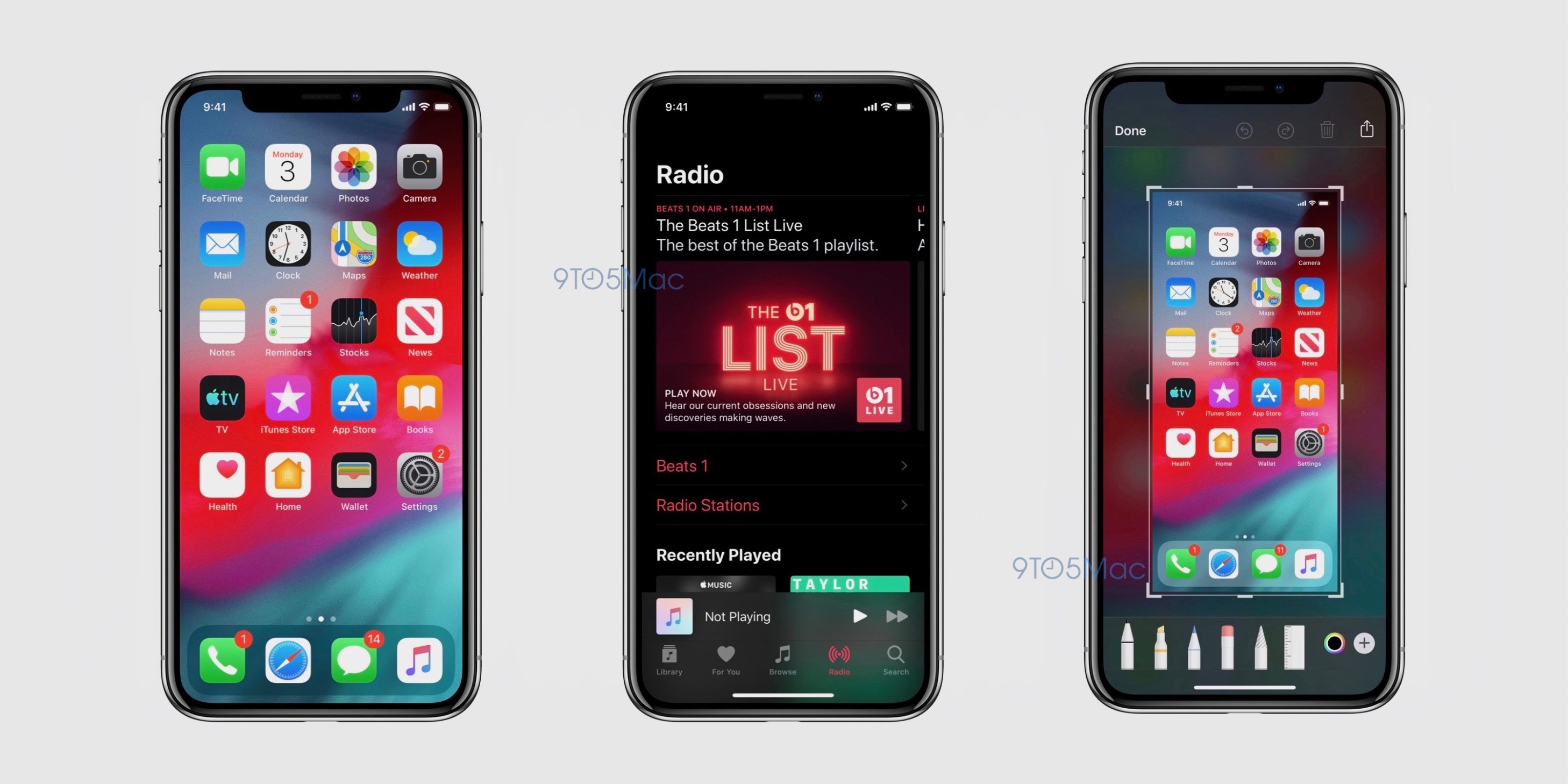
Screenshots of iOS 13's Dark Mode, according to 9to5Mac.
Enlarge / Screenshots of iOS 13's Dark Mode, according to 9to5Mac.

Dark Mode

We've seen multiple reports citing reliable sources that Apple will bring Dark Mode—which was introduced to macOS with last year's 10.14 Mojave update—to iOS devices. Just this week, 9to5Mac published what it believes to be screenshots of Dark Mode (pictured above). It's a boon for users who find themselves using their phones in bed late at night or while watching a movie or TV in their home theater, for sure, but glare on those glossy screens will mean you'll probably want to keep the standard light mode on when out and about during the day.

iPad improvements

While we don't have many details, multiple reports have said that the iPad will get a new multitasking interface and that there will be long-asked-for changes to the home screen as well. Further, Apple plans to introduce a way for users to easily cycle between different versions of the same application, though it is unclear what the benefit of this would be to mainstream users. (Obviously, developers and some power users could benefit from this tremendously.)

A 9to5Mac report also citing sources familiar with Apple's plans said some kind of new windowed application interface will be introduced—this may be the same thing as the Bloomberg report's note on multitasking, or it could be something else. In any case, according to 9to5Mac, "Each window will also be able to contain sheets that are initially attached to a portion of the screen but can be detached with a drag gesture, becoming a card that can be moved around freely." Users will be able to stack the cards or dismiss them with some sort of gesture.

Finally, the sources behind the same 9to5Mac report said that Safari on the iPad will begin defaulting to the desktop version of websites instead of the mobile version whenever possible.

Updated apps

Tweaks to existing apps that are made by Apple and included with the OS are expected with each new iOS release. Apple is expected to make notable changes to Mail, Health, Messages, Maps, Books, and particularly Reminders.

For example, the Bloomberg report says that Apple will make it easier to access and track saved locations in Maps. The report also says that users will be able to mute threads in Mail, the Health app will display new and different information on its main screen, and Reminders will get a much-needed total overhaul.

Safari usually sees some big changes; this time, rumor has it that Apple will introduce a new downloads interface—at least on iPad. Apple may also combine the somewhat-infrequently used Find My Phone and Find My Friends apps into one.

Other iOS changes

The Bloomberg report also indicated that Apple will introduce a SwiftKey-like swipe keyboard. These have been available as third-party apps for quite some time, but like any platform holder with an abundance of resources, Apple has generally not hesitated to undercut developers with its own first-party version of a concept popularized by the developer community in the past.

Finally, Apple reportedly plans to introduce several new parent-focused features for Screen Time, the Settings panel that came out last year. Screen Time lets users control what apps and content can be accessed when, as well as track their usage with helpful metrics.

Let's block ads! (Why?)


https://arstechnica.com/gadgets/2019/05/what-to-expect-from-apples-wwdc-2019-keynote-next-week/

2019-05-31 10:30:00Z
52780305635134

Prepare yourself: Call of Duty: Modern Warfare doesn't have a zombie mode - GamesRadar

If you were hoping for some undead action in Call of Duty Modern Warfare then you're out of luck, as there's no zombies mode in the latest Call of Duty. Campaign Gameplay Director Jacob Minkoff dropped the news in an interview with Playstation Lifestyle, saying that "we’re trying to create an authentic, realistic feeling world. We don’t have the flexibility to do something like put zombies in the game. That would compromise the feeling of playing in a world that feels realistic and authentic and relative to today’s conflicts and things we face". 

From the sounds of it, this year's Call of Duty is leaning hard into the realism angle, and we thankfully haven't yet got to the stage of human history where glowing-eyed zombies are a reality thanks to a virus/curse/alien invasion. Minkoff mentioned that previous games like Black Ops 4 included zombies "because they focus on more of the stylized, graphic novel, super-hero experience, [so] they can have the much more ‘out there’ different types of gameplay in their games", whereas Modern Warfare is dealing with (perhaps) uncomfortably realistic issues like the terrorist cell al-Qaeda. 

For Treyarch it sounds like there was simply no way to make a zombies mode work alongside real-life issues like terrorism, as according to Minkoff when it comes to gameplay and story progression in particular "knowing that we needed to keep it more similar across the different modes, we decided to really lean into that, and make it completely continuous". Looks like even without a zombies mode there's still going to be plenty to keep you busy in Modern Warfare, and we'll just have to wait until October 25 to see it in action. 

For more Call of Duty Modern Warfare info, here's everything we know about the Call of Duty Modern Warfare season pass, or look below to see what we thought of the game!

Let's block ads! (Why?)


https://www.gamesradar.com/call-of-duty-modern-warfare-no-zombie-mode/

2019-05-31 10:20:00Z
52780306652034

Gigabyte's next-gen SSD shows the incredible potential of PCIe 4.0 - Engadget

Sponsored Links

Gigabyte

When AMD launched its third-gen Zen 2-based Ryzen processors, it also introduced the next generation PCIe 4.0 controllers. Now, Gigabyte has launched one of the first PCIe 4.0 NVMe SSDs that shows the incredible speed potential of the new tech. The AORUS NVMe Gen4 SSD can hit up to 5,000MB/s read speeds and 4,400 MB/s write performance. That's about 56 percent faster read and over double the write speeds of Samsung's 970 EVO, currently one of the fastest NVMe SSDs on the market.

Gigabyte isn't the only company to launch a PCI 4.0 SSD, as Corsair also unveiled the MP600 NVMe SSD with very similar performance. Both products use the Phison PS5016-E16 controller and 3D TLC (triple-level cell) NAND flash memory chips (from Toshiba, in the case of the AORUS).

The AURUS NVMe Gen4 SSD has a full body copper heat spreader, indicating that things might get pretty hot when it hits those top speeds. Gigabyte claims that the heatsink reduces temperatures by about 14 percent.

The drive will come in 1TB and 2TB sizes and the only way to get the most out of it, for now, will be to buy Gigabyte's X570 motherboard and one of the new Ryzen processors. Everything, including the AORUS SSD, motherboard and Ryzen chips will arrive sometime in July. There's no price, but given that this is a bleeding edge product, expect to be one of the more expensive NVMe SSDs available.

Let's block ads! (Why?)


https://www.engadget.com/2019/05/31/gigabyte-aorus-nvme-pcie4-ssd/

2019-05-31 09:09:53Z
52780306179389

Gigabyte's next-gen SSD shows the incredible potential of PCIe 4.0 - Engadget

Sponsored Links

Gigabyte

When AMD launched its third-gen Zen 2-based Ryzen processors, it also introduced the next generation PCIe 4.0 controllers. Now, Gigabyte has launched one of the first PCIe 4.0 NVMe SSDs that shows the incredible speed potential of the new tech. The AORUS NVMe Gen4 SSD can hit up to 5,000MB/s read speeds and 4,400 MB/s write performance. That's about 56 percent faster read and over double the write speeds of Samsung's 970 EVO, currently one of the fastest NVMe SSDs on the market.

Gigabyte isn't the only company to launch a PCI 4.0 SSD, as Corsair also unveiled the MP600 NVMe SSD with very similar performance. Both products use the Phison PS5016-E16 controller and 3D TLC (triple-level cell) NAND flash memory chips (from Toshiba, in the case of the AORUS).

The AURUS NVMe Gen4 SSD has a full body copper heat spreader, indicating that things might get pretty hot when it hits those top speeds. Gigabyte claims that the heatsink reduces temperatures by about 14 percent.

The drive will come in 1TB and 2TB sizes and the only way to get the most out of it, for now, will be to buy Gigabyte's X570 motherboard and one of the new Ryzen processors. Everything, including the AORUS SSD, motherboard and Ryzen chips will arrive sometime in July. There's no price, but given that this is a bleeding edge product, expect to be one of the more expensive NVMe SSDs available.

Let's block ads! (Why?)


https://www.engadget.com/2019/05/31/gigabyte-aorus-nvme-pcie4-ssd/

2019-05-31 08:39:33Z
52780306179389

Gigabyte's next-gen SSD shows the incredible potential of PCIe 4.0 - Engadget

Sponsored Links

Gigabyte

When AMD launched its third-gen Zen 2-based Ryzen processors, it also introduced the next generation PCIe 4.0 controllers. Now, Gigabyte has launched one of the first PCIe 4.0 NVMe SSDs that shows the incredible speed potential of the new tech. The AORUS NVMe Gen4 SSD can hit up to 5,000MB/s read speeds and 4,400 MB/s write performance. That's about 56 percent faster read and over double the write speeds of Samsung's 970 EVO, currently one of the fastest NVMe SSDs on the market.

Gigabyte isn't the only company to launch a PCI 4.0 SSD, as Corsair also unveiled the MP600 NVMe SSD with very similar performance. Both products use the Phison PS5016-E16 controller and 3D TLC (triple-level cell) NAND flash memory chips (from Toshiba, in the case of the AORUS).

The AURUS NVMe Gen4 SSD has a full body copper heat spreader, indicating that things might get pretty hot when it hits those top speeds. Gigabyte claims that the heatsink reduces temperatures by about 14 percent.

The drive will come in 1TB and 2TB sizes and the only way to get the most out of it, for now, will be to buy Gigabyte's X570 motherboard and one of the new Ryzen processors. Everything, including the AORUS SSD, motherboard and Ryzen chips will arrive sometime in July. There's no price, but given that this is a bleeding edge product, expect to be one of the more expensive NVMe SSDs available.

Let's block ads! (Why?)


https://www.engadget.com/2019/05/31/gigabyte-aorus-nvme-pcie4-ssd/

2019-05-31 08:25:33Z
52780306179389

Kamis, 30 Mei 2019

WWDC 2019: what to expect at this year’s Apple developers conference - The Verge

[unable to retrieve full-text content]

  1. WWDC 2019: what to expect at this year’s Apple developers conference  The Verge
  2. Your next iPhone or Mac? WWDC offers the best tease  CNET
  3. What is your iPhone doing while you sleep?  AL.com
  4. Apple’s defensive App Store page aims to win the court of public opinion  Macworld
  5. MacOS 10.15 leak shows new Music and TV apps  CNET
  6. View full coverage on Google News

https://www.theverge.com/2019/5/30/18645624/wwdc-2019-apple-developer-conference-ios-13-mac-os-ipad-watch-apps-rumors

2019-05-30 16:51:19Z
52780305635134

Why UWP is, and isn't, dead – the dream is gone, but the code lives on - OnMSFT

Paul Thurrott wrote about it in early May, and the news coming from Phil Spencer that Win32 games will soon become available in the Windows Store prompted Tom Warren at The Verge to say the same thing today: UWP is dead. But wait, a chorus of developers has chimed in, not it’s not! UWP lives on in XAML Islands and it’s Win32 that’s in maintenance mode, not UWP!

So what’s going on, is UWP dead or not? The answer, a bit like Schrödinger’s cat, is both. Let’s start, since it’s getting all the attention, with the idea that UWP is dead.

Back in the days of Windows 8, when Windows Phone was still with us (and yes, Windows Phone is truly dead!), the idea of a Universal Windows Platform was born. Microsoft placed a lot of emphasis on the ease with which developers could write code to run not only on the phone but on the tablet and PC as well. As it turned out, developers didn’t much care how easy it was to write code, they only cared about selling apps, which they could do far more proficiently with iOS or Android, to far more people than Windows Phone’s and Windows 8’s fairly minuscule market share.

Still, the idea was to get developers locked in to the idea that writing code once across PC, phone, and tablet, was well, just better, and they should drop the upstart Android and the walled garden iOS and come to Windows. Microsoft would provide a single Store, where developers could target all those Windows platforms at once, and even push Windows users to embrace UWP by foisting Windows S, and before that by deprecating the Start Menu, to make the platform even more worthwhile.

Windows Phone device

But Windows Phone died a slow and painful death, the Start Menu came back, and users still clamored for their favorite Win32 apps over UWP versions that seemed feature-poor in comparison. That dream, that UWP would unite developers to eschew iOS and Android to write apps for the glorious Windows Platform, has died. It’s been dead a while actually, and Microsoft’s move to allow Win32 games into the Microsoft Store is just another nail in the coffin.

What has also died is the thinking at Microsoft that the company needs to push users toward Windows, to lock in. Cracks in this armor began to appear in Azure, when Linux was at first allowed, and then embraced. Microsoft found that rather than forcing developers to use Windows on Azure, they could actually make more money and earn more hearts and minds by letting developers use the tools they wanted.

Another example of this new thinking can be seen in the switch to a Chromium based Edge. The old Edge was a bastion of the lock-in thinking, and moving to Chromium is perhaps the biggest signal yet that Microsoft can indeed embrace and extend without needing to try to extinguish.

But as that chorus of developers has pointed out, UWP, as in the idea that code can be written once to run (almost) everywhere, not only isn’t dead, it’s the future. The problem here is that we have in effect two UWPs. The first, as outlined above, defined the desire Microsoft at one time held to force encourage developers to lock in to Windows. That effort has failed, and that thinking has changed. The other UWP, the one is being built in to new APIs and new controls to target not just PC but Xbox, to present a unified store model for security and ease, and to help developers move their apps forward is still available and will continue to be, as Microsoft continues to blur the lines between once siloed platforms.

Microsoft isn’t going to bring back Windows Phone, or gain back that 90%+ market share Windows and Internet Explorer once had. Users aren’t going to ditch Android or iOS and lock back in to Windows. That ship has sailed, and that dream is dead. But Microsoft is going to continue to make it easier to run apps everywhere. Rather than look to recapturing the past, the focus now is on innovating for the future, a future that isn’t all about Microsoft and Windows, but that’s ok.

Share This
Further reading: ,

Let's block ads! (Why?)


https://www.onmsft.com/editorial/why-uwp-is-and-isnt-dead-the-dream-is-gone-but-the-code-lives-on

2019-05-30 17:51:55Z
52780305899199